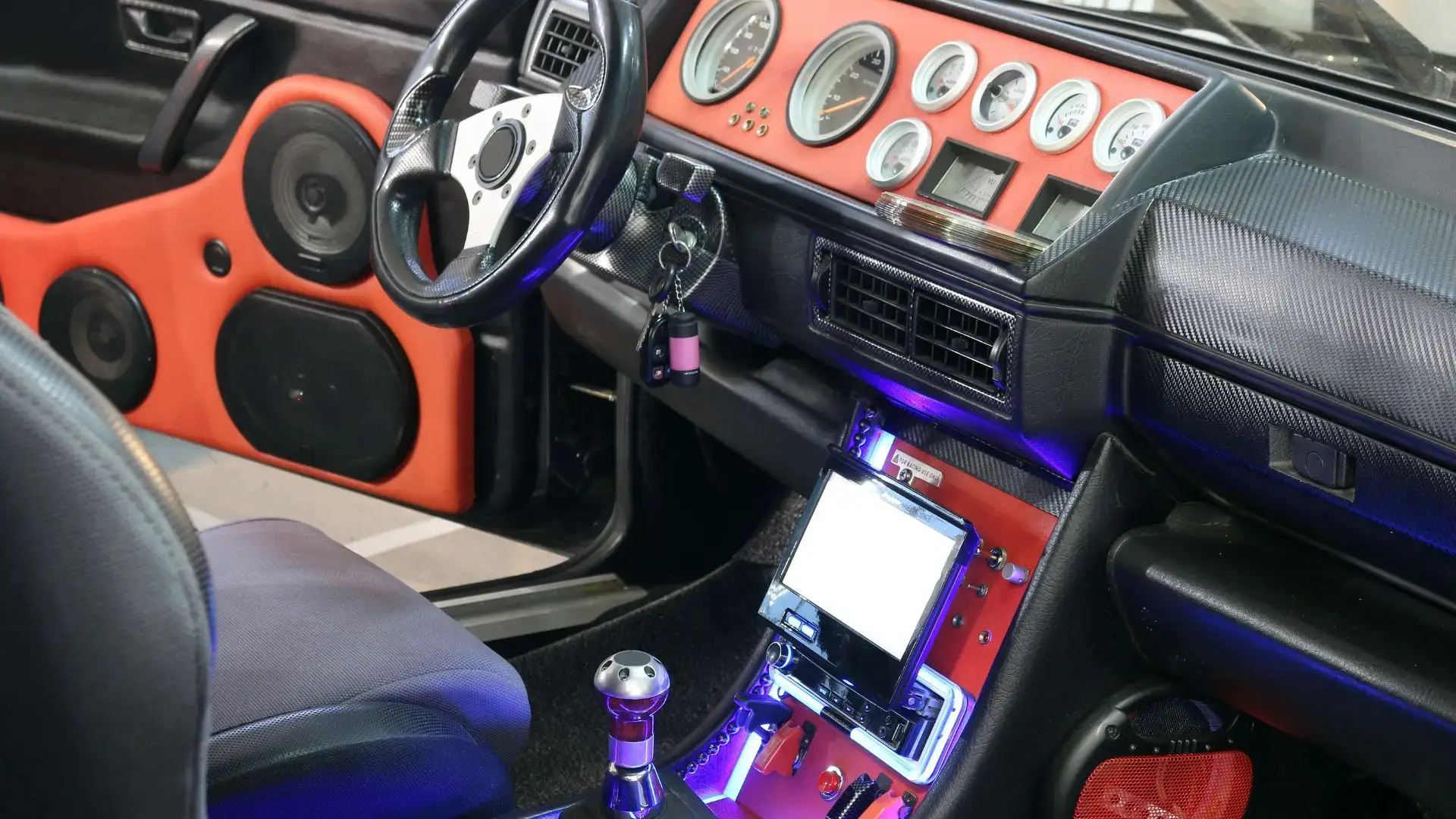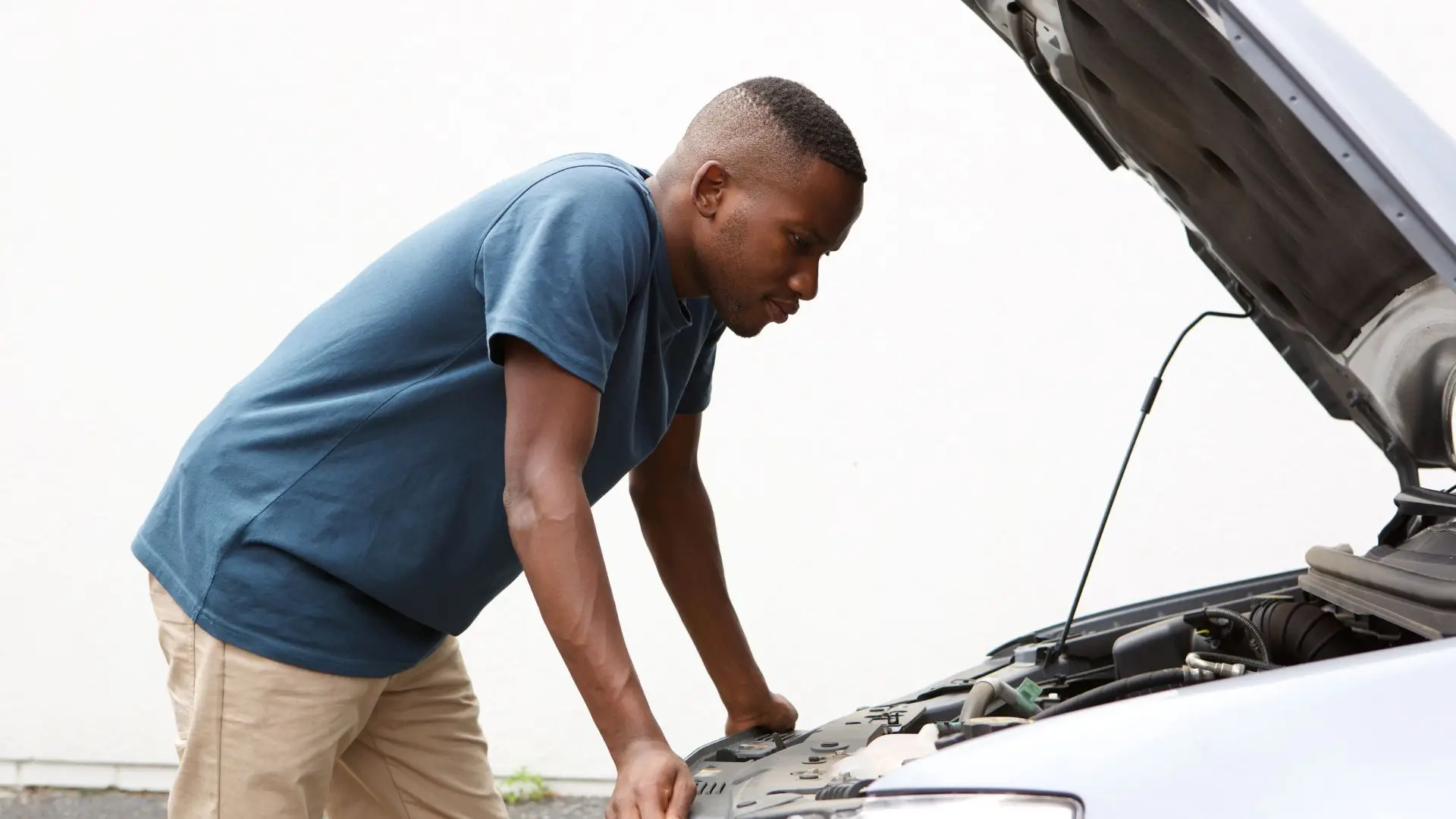
According to the Specialty Equipment Market Association’s 2025 Market Report, U.S. consumers spent approximately $52.65 billion accessorizing and modifying their vehicles in 2024. So when a modified car starts to fail, owners often assume their mods have killed any chance at a lemon law claim. That assumption is usually wrong.
The short answer: yes, you can still file a California lemon law claim for a modified car. Modifications do not automatically void your warranty or your right to a buyback, but under federal law, the manufacturer must prove that your modification actually caused the defect before they can deny coverage.
California Lemon Law Basics

California’s lemon law is outlined in the Song-Beverly Consumer Warranty Act (Civil Code §§ 1790-1795.8) and it applies to new and used vehicles still under the manufacturer’s original or extended warranty when the defect substantially impairs the vehicle’s use, value, or safety.
If your vehicle qualifies and the manufacturer cannot fix it after a reasonable number of repair attempts, you may be entitled to a full buyback (refund), a replacement vehicle, or a cash settlement, plus attorney’s fees paid by the manufacturer.
Additionally, the federal Magnuson-Moss Warranty Act works alongside Song-Beverly, and it outlines how a manufacturer cannot void your warranty just because you installed an aftermarket part. They must prove the modification caused the defect they are refusing to fix. The FTC’s consumer guidance on auto warranties reinforces this: aftermarket parts and independent service cannot, by themselves, void your manufacturer warranty.
How Modifications Affect Your Claim
Whether your modification matters to your claim comes down to one question: did it cause the defect? Courts and arbitrators look at whether the failed component is in the same system as the modification.
For example, manufacturers may argue for a real causation argument if any of the following cases has occurred:
- ECU tune for a blown turbo or transmission failure
- Suspension lift for premature CV joint or driveline wear
- Turbocharger or supercharger for engine internal failure
- Aftermarket exhaust modifications for emissions-system defects
In California specifically, the California Air Resources Board (CARB) maintains a database of approved aftermarket parts with Executive Order (EO) numbers. Parts with a valid EO have been certified not to increase emissions or compromise vehicle systems. If your modification carries a CARB EO, that documentation strengthens your defense against any causation argument.
How Manufacturers Try to Use Mods Against You
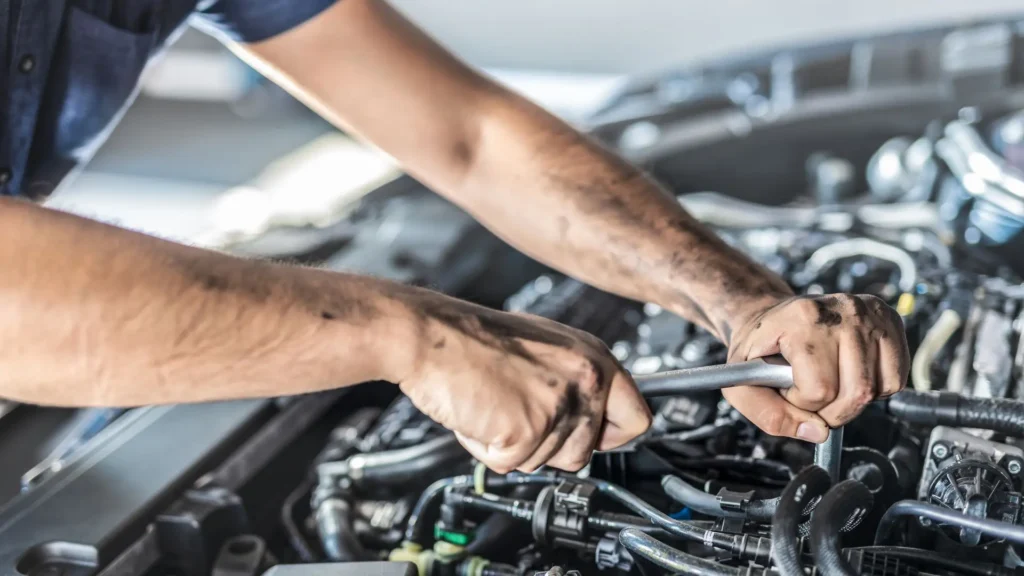
Manufacturers know most owners do not understand Magnuson-Moss and as a result, they lean on three tactics:
- Blanket warranty void claims- “You modified it, so the warranty is void.” Federal law prohibits this unless they can prove causation.
- Vague causation theories- “The mod probably contributed.” Speculation is not proof.
- Refusing diagnosis- Some dealers refuse to even open a repair ticket once they spot mods. That refusal is itself a violation.
The rebuttal to all three is the same: Magnuson-Moss requires proof, not allegation. The California Attorney General’s office makes clear that consumers retain rights under both state and federal warranty law, and that manufacturer denials must be supported by evidence.
Evidence You Need to Win
If your vehicle is modified and you suspect a lemon law claim is coming, start documenting now.
- Every repair order, including what you complained about and what the dealer did
- All warranty correspondence (texts, emails, written denials)
- Modification receipts showing what was installed, when, and by whom
- CARB EO numbers and installer certifications for emissions-related parts
- Your purchase agreement and original warranty booklet
If your modifications affected the vehicle’s body type or weight, the California DMV requires you to report those changes. That paperwork, if you have it, becomes part of your evidence package.
If Your Modified Car Is a Lemon, You Still Have Rights
Aftermarket parts complicate a lemon law case. They do not end it. The manufacturer carries the burden of proving causation, and a strong evidence file plus the right legal team can defeat most denials. If your modified vehicle has been in the shop repeatedly for the same problem, or has spent 30+ days under warranty repair, talk to a lemon law attorney before accepting any denial as final.
Visit our California lemon law page or read our vehicle buyback guide for next steps.
Call (888) 893-4370 or you can also contact us online today for a free case review.
Frequently Asked Questions
Does an Aftermarket Exhaust Void My Warranty?
No, not automatically. Under the Magnuson-Moss Warranty Act, the manufacturer must prove the exhaust caused a specific defect. An aftermarket exhaust would only matter if your defect involves the exhaust system, emissions components, or a related sensor.
Can I File if My Mods Are Technically Not Street Legal in California?
Yes, but it makes your case harder. Non-CARB-compliant modifications give the manufacturer ammunition, especially for any defect involving emissions or engine components. Your case is still possible if the defect is unrelated, but expect the fight to be tougher.
Should I Remove My Modifications Before Filing a Claim?
Not without legal advice. Removing mods can sometimes destroy diagnostic evidence the manufacturer is required to provide. Talk to a lemon law attorney first. They may want photos, documentation, or even a third-party inspection before anything is touched.
What if the Dealer Installed the Mods?
This usually strengthens your claim. If the dealership installed accessories or modifications at the time of sale, the manufacturer typically cannot use those installations to deny warranty coverage. Keep your purchase paperwork showing the mods were dealer-installed.