Something is happening in California’s civil courts. Lemon law filings have surged from roughly 4,500 cases in 2015 to 14,892 in 2022, then 22,655 in 2023, with 2024 expected to top 25,000. That is not a small uptick. That is a structural shift in how Californians deal with defective vehicles, and it has reshaped everything from court calendars to state legislation.
If you are dealing with a car that keeps going back to the dealer for the same problem, you are part of a much larger trend than you probably realize. This guide breaks down what is driving the surge, what it means legally, and what consumers should know if they are stuck with a defective vehicle in 2026.
The Rapid Rise of Lemon Law Cases in California

The growth has been steep and consistent. In 2015, California courts logged about 4,500 lemon law cases. By 2023, that number had climbed past 22,000. By 2024, projections cleared 25,000 filings statewide. The trajectory is not flattening.
In Los Angeles County alone, the California Judges Association estimates that nearly 10% of all civil filings are now lemon law disputes. Some judges report 700 to 800 active lemon law cases on a single docket. The volume has been heavy enough that it forced the Legislature to step in, leading directly to the AB 1755 reforms that took effect in 2025.
This is not just a story about more lawsuits. It is a story about why so many vehicles are failing in the first place, and why so many manufacturers are making consumers fight to enforce their warranty rights.
Key Reasons Lemon Law Cases Are Increasing

1. Vehicle Defects and Recalls Are at Record Levels
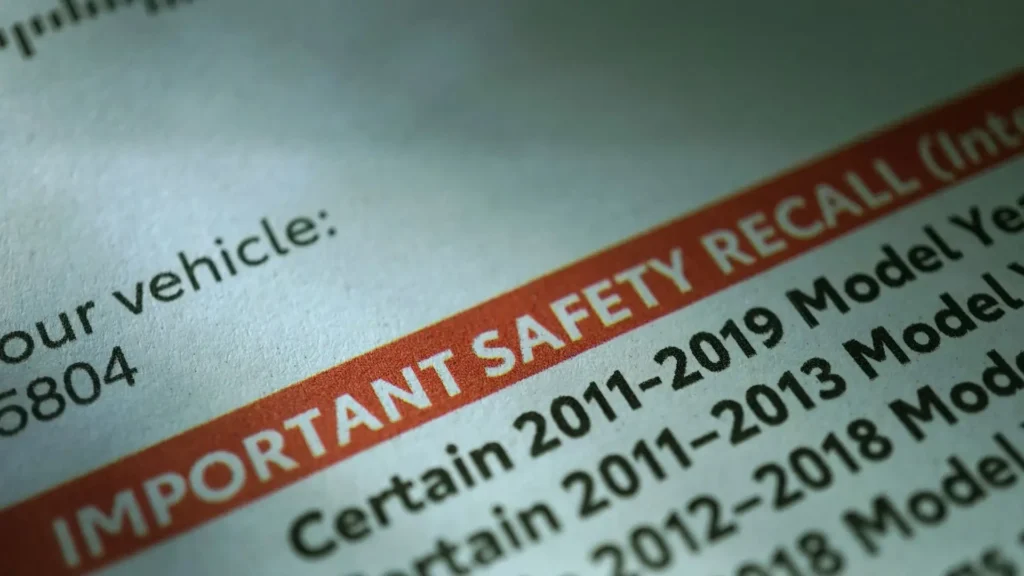
Modern vehicles are more complex than any cars in history. According to the National Highway Traffic Safety Administration, 1,073 safety recalls in 2024 affected more than 35 million vehicles and pieces of equipment, a near-record figure. Software bugs, electrical failures, EV battery defects, and infotainment crashes now drive a huge share of lemon law cases. A single faulty ECU or buggy over-the-air update can take a vehicle out of service for weeks.
The pattern is straightforward: more defects mean more repair attempts, more repair attempts mean more vehicles hitting the lemon law thresholds. Tech-heavy vehicles, especially EVs and luxury models, sit in service bays longer because diagnosing software-driven problems is harder than diagnosing mechanical ones.
2. Supply Chain Issues and Slow Repair Turnaround
Parts shortages that started during the pandemic never fully resolved. Vehicles waiting for backordered parts now sit in dealer service bays for weeks at a time. That matters because California’s lemon law presumes a reasonable number of repair attempts has been made if a vehicle is out of service for 30 or more cumulative days under warranty.
A vehicle that would have been repaired in three days five years ago might sit for three weeks today waiting on a control module from overseas. Owners hit the 30-day threshold faster than ever, which automatically strengthens their lemon law position. Manufacturers know this, but they cannot conjure parts that do not exist.
3. Legislative Changes (AB 1755) and Court Backlog

The case surge overwhelmed California’s civil courts, and lawmakers responded. Assembly Bill 1755, signed by Governor Newsom in September 2024, took effect in stages through 2025. The reforms were designed to streamline lemon law procedure and unclog the courts. Key changes include:
- New statute of limitations: one year after warranty expiration, or six years from delivery
- Mandatory mediation early in the case timeline
- Pre-suit written notice required before consumers can seek civil penalties
- Early document disclosure within 60 days of the manufacturer’s response
- Limited initial depositions on a tight schedule
The goal is faster resolution and less courtroom traffic. The reality is that the new procedural requirements have created their own complexity. Consumers who once filed and let their attorneys handle the rest now face deadlines, written notice rules, and a two-track system where some manufacturers opt into the new procedures and others stay under the old rules. The law is more efficient on paper but more technical in practice.
4. Used Car Purchases Are Driving New Claims

Cost-of-living pressure has pushed more Californians toward used cars. New vehicle prices remain high, financing rates are tight, and certified pre-owned (CPO) programs have become a large share of the market. The problem: used buyers often have less information about a vehicle’s history than new buyers, and some inherit defects from previous owners that surface only after purchase.
Under the Song-Beverly Consumer Warranty Act and the Tanner Consumer Protection Act, used vehicles can qualify for lemon law protection if sold with a manufacturer’s express warranty still in effect. CPO vehicles backed by a manufacturer warranty (not just a dealer warranty) often qualify. AB 1755 specifically expanded protections for some used-car buyers, although the 2024 California Supreme Court decision in Rodriguez v. FCA US LLC narrowed warranty carryover rights for vehicles resold without their original warranty intact. The legal landscape for used vehicles is more active than it has ever been.
Are Certain Car Manufacturers Driving More Lemon Law Cases?
Yes, and the concentration is striking. A small group of automakers is responsible for the majority of lemon law filings in California. Domestic manufacturers, particularly those with high sales volumes and well-documented defect patterns, dominate the case load. Tesla, Ford, Stellantis (Jeep, Dodge, Ram, Chrysler), and General Motors brands consistently appear in the highest claim volumes.
Two factors explain the concentration. First, sales volume: a manufacturer that sells half a million vehicles in California will generate more lemon claims than one that sells fifty thousand, simply by math. Second, defect trends: certain models have well-known repeat-issue patterns. Ford’s transmission and infotainment problems, Tesla’s quality control and software issues, Jeep’s transmission and electrical complaints, and various luxury brands’ electronic gremlins all generate disproportionate claim volume.
If you are dealing with a defect on a high-volume model, you are very likely not the first person to experience it. We track these patterns closely across our manufacturer-specific pages and have seen the same defects come through repeatedly for the same models.
How This Impacts California Consumers

More Protection, But More Complexity
California’s lemon law remains one of the strongest consumer protection statutes in the country. The substantive rights have not weakened: manufacturers must still buy back or replace defective vehicles, pay attorney’s fees when consumers win, and face civil penalties for willful violations. What has changed is the process for getting there. The new procedural rules add deadlines, notice requirements, and mediation steps that catch unrepresented consumers off guard.
Faster Settlements, In Theory
Mandatory mediation is supposed to push cases toward early resolution. Some cases now settle within 90 to 150 days instead of the year or more it used to take. That is real progress for consumers willing and able to navigate the new process. But the pre-suit notice requirements and discovery deadlines mean missing a step can cost you civil penalties or weaken your claim.
Risk of Changing Consumer Protections
AB 1755 was politically controversial. Consumer advocates argue it disproportionately benefits manufacturers by giving them more chances to fix defects before facing civil penalties and shorter windows for consumers to file. Senate Bill 26, passed in 2025, created an opt-in mechanism that let manufacturers decide whether to follow the new rules or stay under the original lemon law. The California Department of Consumer Affairs Arbitration Certification Program now publishes guidance on the dual-track system that resulted. Some manufacturers operate under the new procedures, others under the old, and consumers without legal help can struggle to navigate which rules apply to their case.
What This Means If You Have a Defective Vehicle
If your car keeps going back to the shop for the same problem, you have more company than you think. The trend lines all point in the same direction: more defects, more repair delays, more legal complexity, and more consumers exercising their lemon law rights. The substantive protections under California law are still there, but the process to invoke them has gotten more technical.
Your vehicle may qualify under California lemon law if any of the following apply:
- It has been to the dealer 4 or more times for the same warranty-covered defect
- It has been to the dealer 2 or more times for a serious safety defect
- It has been out of service for 30 or more cumulative days under warranty
- The defect substantially impairs use, value, or safety, and the manufacturer cannot fix it
Documentation is more important than ever under the new procedural rules. Save every repair invoice, every email, every dealer communication. The strength of your case depends on the paper trail you build. If you suspect your vehicle qualifies, do not wait until you hit the new statute-of-limitations deadlines. Visit our California lemon law page to learn more, or read our vehicle buyback guide to understand what you may be entitled to recover.
Get Help With Your California Lemon Law Claim

At West Coast Auto Defect Lawyers, we represent consumers across California who are stuck with defective vehicles. Our team works through AB 1755’s new procedures every day, tracks defect patterns by manufacturer and model, and recovers full refunds, replacements, and civil penalties for our clients. California’s lemon law shifts attorney’s fees to the manufacturer when we win, so our representation costs you nothing out of pocket
If your vehicle has been in the shop repeatedly, Call (888) 573-3619 or contact our team online for a fast, free case evaluation.